

Overcoming Low Self-Esteem: Handling Feelings of Not Being Good Enough
- Alan Stokes
- May 20
- 4 min read

Feeling like you’re not good enough is something many of us wrestle with, especially as we get older and life throws more challenges our way. It’s a tough place to be, and it can sneak up on you when you least expect it. I’ve been there myself, and I want to share some thoughts and practical tips that have helped me—and might help you too.
Understanding Overcoming Low Self-Esteem
Low self-esteem is more than just a fleeting feeling. It’s a persistent sense that you don’t quite measure up, whether at work, in relationships, or even just in your own eyes. For men over 30, especially those looking for connection and support, these feelings can be isolating. You might feel like you’re the only one struggling, but trust me, you’re not.
What makes low self-esteem so tricky is that it often feeds on itself. When you feel inadequate, you might avoid social situations or new challenges, which then reinforces the belief that you’re not good enough. It’s a cycle that’s hard to break without some conscious effort.
One thing that helped me was recognising that self-esteem isn’t fixed. It’s something you can work on, like a muscle. The more you practice kindness towards yourself and challenge negative thoughts, the stronger it gets.

Why Do These Feelings Hit Harder After 30?
As we move into our 30s and beyond, life tends to get more complex. Responsibilities pile up, expectations rise, and the pressure to have it all figured out can feel overwhelming. It’s easy to start comparing yourself to others—friends who seem to have nailed their careers, relationships, or fitness goals.
But here’s the thing: comparison is a thief of joy. It’s like trying to measure your own worth with someone else’s ruler. Everyone’s journey is different, and what looks like success on the outside often hides struggles you don’t see.
I found that focusing on my own progress, no matter how small, helped me shift my mindset. Celebrating little wins—like sticking to a morning routine or reaching out to a friend—reminded me that I was moving forward, even if it didn’t look perfect.
How do I stop feeling inadequate?
Stopping feelings of inadequacy isn’t about flipping a switch. It’s a process, and it starts with awareness. Here are some steps that worked for me:
Identify the Triggers
Notice when these feelings pop up. Is it after scrolling social media? Or maybe after a tough day at work? Knowing your triggers helps you prepare and respond better.
Challenge Negative Thoughts
When you catch yourself thinking, “I’m not good enough,” pause and ask, “Is this really true?” Often, these thoughts are exaggerated or based on fear, not facts.
Practice Self-Compassion
Treat yourself like you would a good friend. Would you tell a mate he’s rubbish after one mistake? Probably not. So why do it to yourself?
Set Realistic Goals
Break down big goals into manageable steps. Achieving these smaller targets builds confidence and shows you what you’re capable of.
Reach Out for Support
Talking to others who understand can be a game-changer. Whether it’s a friend, family member, or a community group, connection helps you feel less alone.
Focus on Strengths
Make a list of things you’re good at or proud of. Keep it handy and add to it regularly. It’s a great reminder of your value.
Take Care of Your Body
Physical health impacts mental health. Regular exercise, good sleep, and balanced nutrition can improve your mood and energy levels.
If you want to explore more about how to deal with feeling not good enough, there are some excellent resources out there that dive deeper into these strategies.
Practical Ways to Build Confidence Every Day
Building confidence doesn’t have to be complicated. Here are some simple habits that can make a big difference:
Start Your Day with a Positive Affirmation
It might feel a bit odd at first, but telling yourself something positive each morning sets a hopeful tone.
Celebrate Small Wins
Did you get out of bed on time? Did you make a healthy meal? These count.
Learn Something New
Taking on a new hobby or skill reminds you that growth is always possible.
Limit Social Media Time
Too much scrolling can fuel comparison and self-doubt. Set boundaries that work for you.
Practice Mindfulness or Meditation
Even a few minutes a day can help you stay grounded and reduce anxiety.
Volunteer or Help Others
Giving back can boost your sense of purpose and connection.
Join a Group or Club
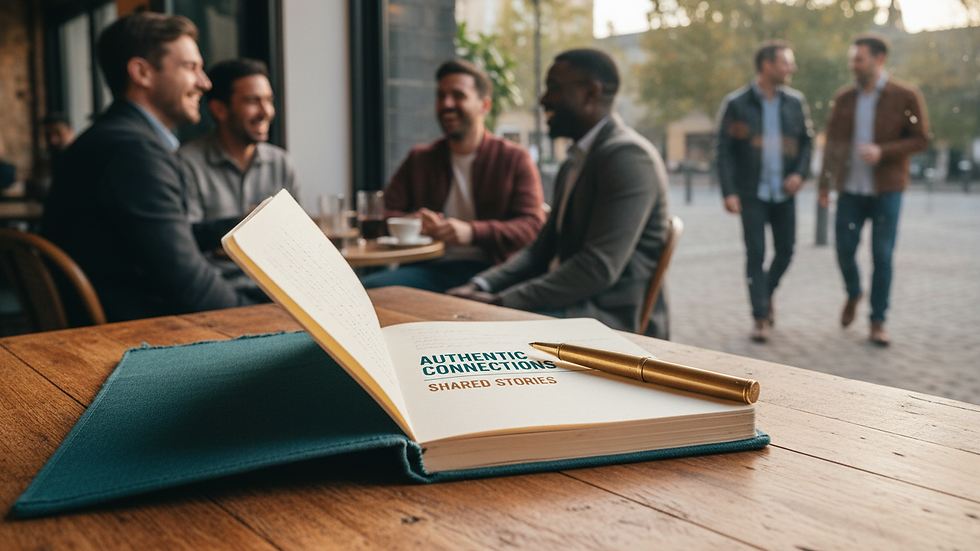
Being part of a community, like Momentum men’s group, offers support and friendship. It’s a space where you can be yourself without judgement.
When to Seek Professional Help
Sometimes, feelings of not being good enough can be overwhelming and persistent. If you find that these thoughts are interfering with your daily life, work, or relationships, it might be time to talk to a professional.
Therapists and counsellors can provide tools and support tailored to your situation. There’s no shame in asking for help—it’s a sign of strength, not weakness.
Remember, you don’t have to face these feelings alone. Support is available, and reaching out can be the first step toward feeling better.
Taking the First Step Towards Feeling Better
Feeling like you’re not good enough is tough, but it doesn’t have to define you. By understanding where these feelings come from and taking small, practical steps, you can start to build a stronger, kinder relationship with yourself.
If you’re looking for a place to connect with others who get it, consider joining a community like Momentum men’s group. It’s a welcoming space where men over 30 in Plymouth come together to support each other, share experiences, and grow.
You’re not alone in this. Every step you take towards self-acceptance and confidence is a victory worth celebrating. Keep going—you’re worth it.


Comments