

Boosting Mental Resilience for Men: A Guide to Mental Fitness for Men in the UK

Mental fitness is something we often overlook, especially as men. We tend to focus on physical health, work, and family responsibilities, but our mental well-being quietly shapes how we handle life’s ups and downs. If you’re a man over 30 living in Plymouth or anywhere in the UK, you might feel the weight of isolation or the pressure to “just get on with it.” I get it. That’s why I want to share some practical ways to boost your mental resilience and build a stronger, healthier mind.
Why Mental Resilience Matters for Men
Mental resilience is like a muscle. The more you work on it, the stronger it gets. It’s about bouncing back from stress, adapting to change, and staying steady when life throws curveballs. For men, especially those over 30, mental resilience can mean the difference between feeling overwhelmed and feeling in control.
Think about it this way: when you’re mentally resilient, you’re better equipped to handle work stress, family challenges, or even just the everyday grind. You’re less likely to feel isolated or stuck in negative thought patterns. And that’s crucial because mental health struggles can sneak up on anyone.
Building mental resilience doesn’t mean you have to be tough all the time or bottle things up. It’s about being honest with yourself, seeking support when needed, and developing habits that keep your mind sharp and balanced.
Practical Steps to Build Mental Resilience for Men
So, how do you actually boost your mental resilience? Here are some straightforward, actionable tips that I’ve found helpful and that many men in the UK have embraced:
Stay Connected
Isolation is a silent enemy. Make time for friends, family, or community groups. Even a quick chat or a shared activity can lift your mood and remind you that you’re not alone.
Get Moving
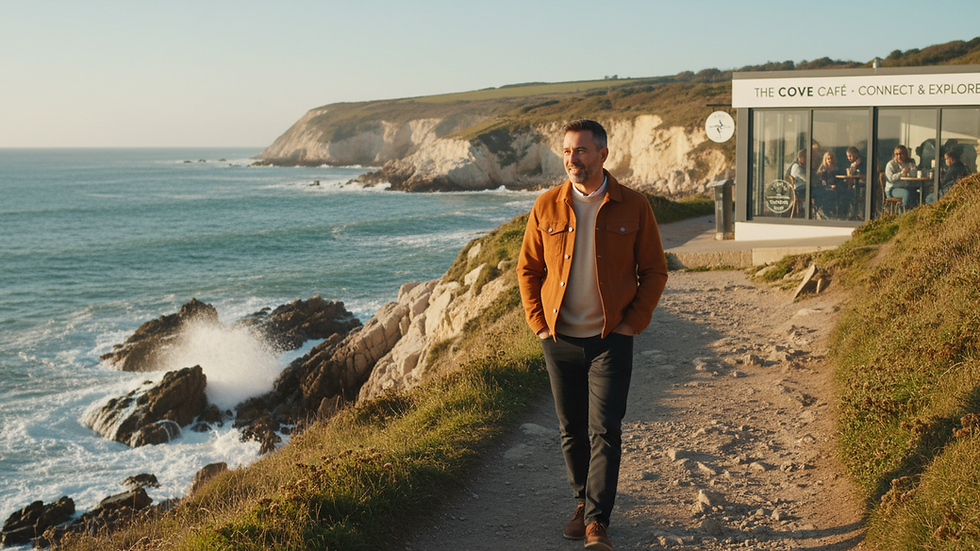
Physical activity isn’t just good for your body; it’s a powerful mood booster. Whether it’s a walk along the coast, a gym session, or a casual game of football, moving your body helps reduce stress and improve mental clarity.
Practice Mindfulness
Mindfulness doesn’t have to be complicated. Try simple breathing exercises or spend a few minutes each day focusing on the present moment. It helps reduce anxiety and keeps your mind from spiralling.
Set Realistic Goals
Break down big challenges into smaller, manageable steps. Celebrate small wins. This builds confidence and keeps you motivated.
Seek Support When Needed
There’s no shame in asking for help. Whether it’s talking to a mate, joining a support group, or seeing a professional, reaching out is a sign of strength, not weakness.
Limit Negative Inputs
Be mindful of what you consume—news, social media, or even certain conversations. Too much negativity can wear you down. Balance it with positive, uplifting content.
Prioritise Sleep
Never underestimate the power of a good night’s sleep. It’s essential for mental recovery and resilience.
What is the Biggest Killer of Men Under 45 in the UK?
This is a tough but important question. The biggest killer of men under 45 in the UK is suicide. It’s a stark reminder of how critical mental health is, especially for men who might feel pressure to hide their struggles.
The reasons behind this are complex—social expectations, stigma around mental health, and sometimes a lack of support. But knowing this fact can be a wake-up call. It pushes us to talk openly about mental health, to check in on mates, and to create communities where men feel safe to share.
If you or someone you know is struggling, remember that help is available. You don’t have to face it alone.
How Community Can Boost Mental Fitness
One of the best ways to build mental resilience is through community. Being part of a group where you feel understood and supported can make a huge difference. It’s not just about talking; it’s about shared experiences, activities, and knowing someone’s got your back.
In Plymouth, groups like Momentum men’s group are creating spaces where men over 30 can connect, be active, and support each other. Whether it’s a weekly meet-up, a fitness session, or just a casual chat over a cuppa, these connections help break down isolation and build mental strength.
Joining a community doesn’t mean you have to be outgoing or share everything right away. It’s about taking small steps towards connection and finding your tribe.

Taking Care of Your Mental Fitness for Men UK
If you’re looking to improve your mental health, it’s worth exploring resources and groups dedicated to men’s well-being. There are plenty of options out there, but finding the right fit for you is key.
One resource I recommend checking out is mental fitness for men uk. They offer practical advice, support networks, and tools tailored specifically for men in the UK. It’s a great starting point if you want to take control of your mental health journey.
Remember, mental fitness is not a destination but a continuous process. It’s about building habits, seeking support, and being kind to yourself along the way.
Making Mental Resilience Part of Your Daily Life
Building mental resilience doesn’t have to be overwhelming. Here are some simple ways to weave it into your daily routine:
Morning check-in: Take a minute to ask yourself how you’re feeling and what you might need that day.
Gratitude practice: Write down one thing you’re grateful for each day. It shifts your focus to the positive.
Regular breaks: Step away from work or screens to clear your head. Even five minutes can help.
Connect daily: Send a message or call a friend, even if it’s just a quick hello.
Reflect weekly: Think about what went well and what you can improve. No judgment, just learning.
These small actions add up and help you build a mental fitness routine that sticks.
Finding Strength in Vulnerability
It’s okay to admit that things aren’t always perfect. Real strength comes from acknowledging your feelings and being open about them. Vulnerability is not a weakness; it’s a bridge to connection and healing.
If you’re feeling overwhelmed, try sharing with someone you trust. You might be surprised how many others feel the same way. Opening up can lighten the load and help you find new ways to cope.
Taking care of your mental health is a journey, not a quick fix. By focusing on building mental resilience, staying connected, and seeking support when needed, you’re investing in a better quality of life. Remember, you’re not alone, and there are communities ready to welcome you with open arms. Let’s keep moving forward together.


Comments